“If anyone knew what signs to look for, if the line and land between his forebears and children remained unbroken, unstolen, someone would have heard the stars piercing sky the night before. They would’ve understood that long-tailed stars don’t weep across the sky for celestial vanity. That the stars were mourning their blood.”

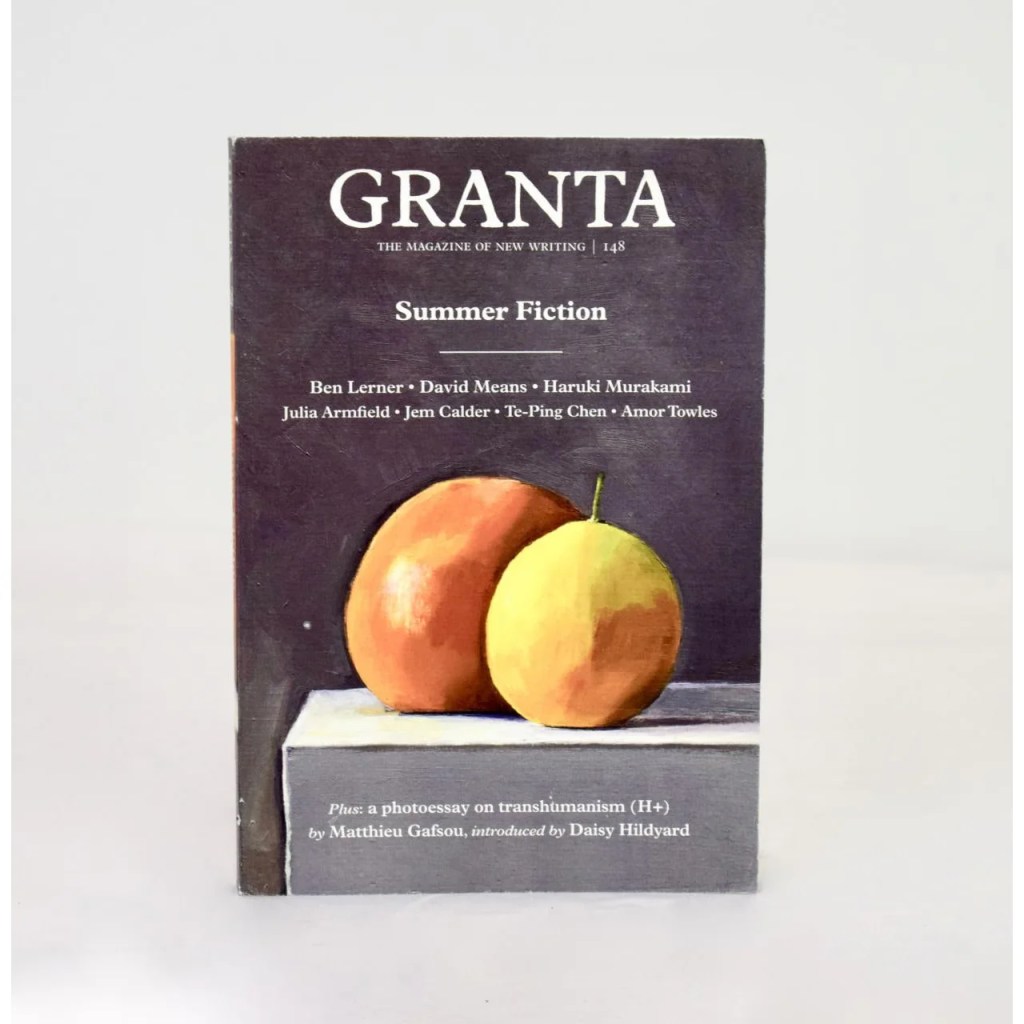
‘Innards’ was published in the 148th Summer edition of the Granta literary journal. Written by Magogodi oaMphela Makhene, it tells the story of an old man, Ntatemogolo, who experiences a string of epiphanies and recollections on the morning of his death. Via flashbacks, we get to see Ntatemogolo’s journey from rural South Africa, escaping the atrocities of apartheid and black slavery to taking on a grotesque and laborious profession as a dealer in animal organs and parts. It details the poetic end of a man of character. It is the summation of a life of hardship and suffering.
The story opens with a portentous prologue on royal ancestry. It talks of the fatalistic approach to one’s roots, where everyone claims to descend from a line of dynastic rulers and sires. To force a legacy upon oneself is human nature, or so the author says. For the old man would often talk of long-tailed spirits and noble kings in Zimbabwe. Glory is written into their offspring, and womanhood is the legacy of this community, the community Ntatemogolo so fondly remembers and passes on to his children. The history of a people previously adorned in culture and prosperity, later enslaved by the Boers and the British. His wife tells him:
“Only Woman–who take heat, sweat and sin and turns it into flesh; into sacred being. Carrying life teaches you that, she’d say. Maybe that’s why history forgets our grandmothers. They are written in the womb.”

But these women are imprinted into the anals of their history, for they are the medium through which this legacy lives on. Ntatemogolo harbours the steadfast belief that no matter the tribulations of apartheid, of suffering, through the descendents birthed by the women of this clan–its royalty remains in this world, carried by this next generation. The bloodline lives.
And he has seen this legacy unfurl before his eyes with the birth of his children, and the paralyzing accident of his beloved first-born, Naledi. He succumbed to his heart, the very organ he explored the tiniest cavities of–the very heart he had examined, held, dealt, and sold for years. Decades. His whole life. The profession which had repulsed his children, fascinated his fledgling grandchildren, and morphed its way into his self-identity. To seek out, grasp, and understand the value of the nitty-gritty unwanted organs of chickens, pork, bird and beef. He would stuff them into a a bicycle basket and sell his wares in his impoverished neighborhood. His son Modise tried to rid him of the craft, or rather, force him out of it by burning his bicycle and throwing out his shabby uniform of overalls and a white undershirt. But his daughter, Naledi, his sweet and patient Naledi, had heroically rescued his ancient bike from Modise’s wrath.

But that bike was important, a product of his childhood when he was a herboy, driven out of his farmland after his father supposedly died as a war mule in the South African Native Labour Corps. His mother and him left their ancestral farm with nothing but the clothes on their backs and a herd of hundreds of cows, lambs, sheep and goats. With life ebbing away at their selfish uncle’s house, who charged his own kin for every head of cattle they owned, Ntatemogolo counted every sheep or cow as his emotional debt. As generational debt.
The old man carries generational trauma like stories. Even when his urbanized children make light of his epic ventures as a dealer in foul and livestock organs, he prays to an exotic spirit that calls him home. He remembers native prayers, native traditions, and native celestial ties like his mother taught them to him yesterday. And he carries all of this richness to his deathbed.
Now we know why the old man thinks macabre, bizarre thoughts. Now we recognize the woman he fanatasizes into the room as he lies dying, knowing full well that the end is nigh. After all, a life of epic adventures only gets its closure from death. And Ntatemogolo gets his. With his daughter Naledi by his side, crying out for him, her limp body grasping his. And in his final breath, he takes the hand of his wife who awaits him. He can see and smell and feel her. Naledi howls and cries. But even her soul is tender, not hardened. This whole story features tender souls. Tender souls, hardened souls, traumatized souls. Souls that endure every atrocity of life and death. Souls that endure and pull through just as life does.
This is a story about life that persists.
 Story Scientist
Leave a Reply